Across cultures, tending to family graves and remembering ancestors is a timeless tradition. It’s more than an act of remembrance—it’s often seen as a way to stay connected to our roots and cultivate a sense of well-being for ourselves and future generations.
This article explores the meaning behind this practice and offers a thoughtful, modern perspective that bridges cultures and generations.
Family Roots: A Living Connection Across Time
Symbolically, an ancestor’s resting place can be viewed as a family’s foundational touchstone—a physical link to where we come from. Many traditions hold that a cared-for, peaceful burial site helps foster a sense of inner stability and continuity among descendants.
This isn’t about magic, but about a deeper kind of psychological and emotional grounding. When we honor our origins, we often find it easier to face today and tomorrow with clarity and a stronger sense of belonging.
A modern view: Regularly visiting and maintaining family graves is a powerful way to pass down stories and values. It reminds us of our heritage, strengthens family ties, and can positively shape how we see ourselves—influencing our mental well-being and outlook on life in subtle, meaningful ways.

Peaceful Grounds: What a Grave’s Condition Can Reflect
The physical state of a family grave has often been viewed in tradition as a mirror of broader family well-being. In a modern sense, we might see it as a visible reminder—a prompt to pay attention to what matters.
Let’s consider the symbolism of upkeep:
Damage and Cracks
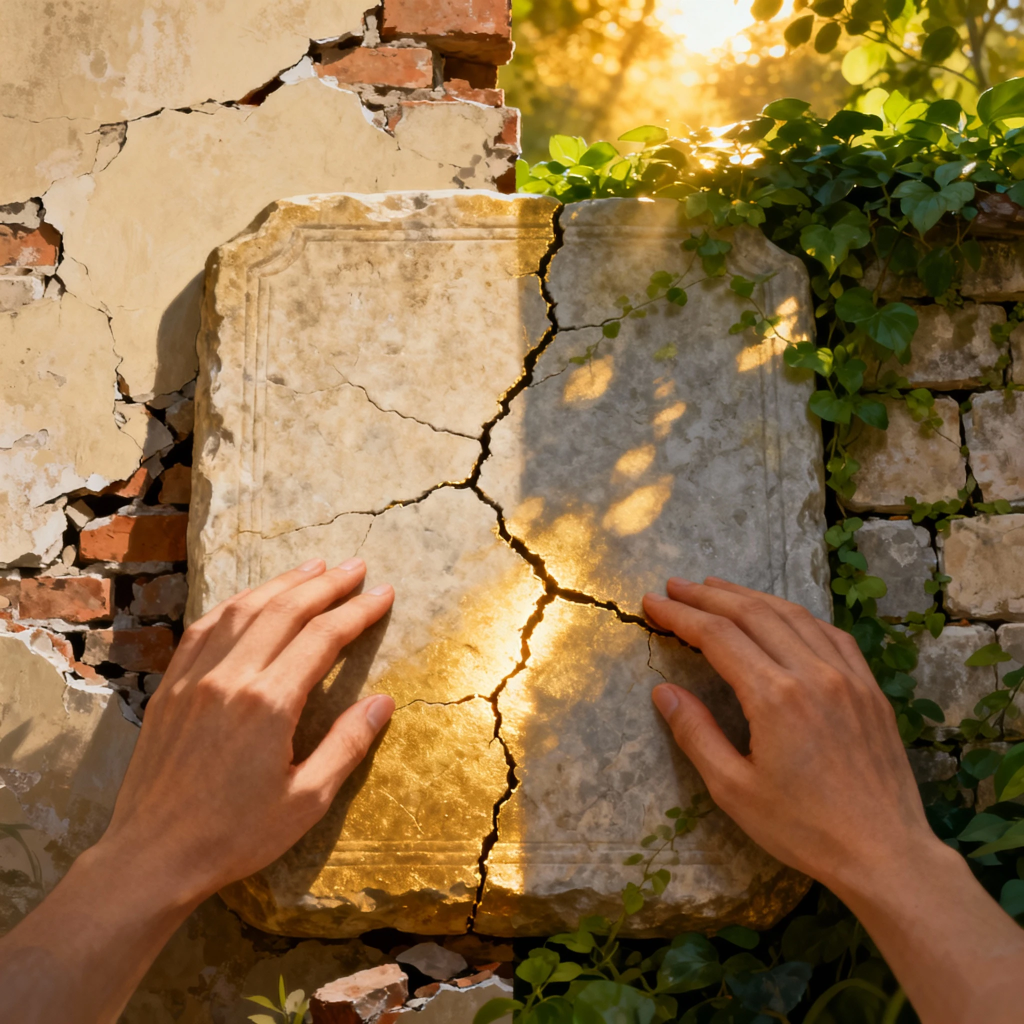
·A traditional view: Significant damage or cracks in a headstone or grave structure might be interpreted as a sign that the family’s sense of security or cohesion needs attention.
·A reflective take: This serves as a tangible reminder that anything we value—whether family bonds, personal health, or a physical place—requires ongoing care. Repairing and maintaining what’s broken is a practical way to honor continuity and show that we cherish what connects us.
Persistent Water or Invasive Overgrowth
·In traditional understanding: Persistent pooling water or aggressive roots encroaching on a gravesite have been symbolically linked to feelings of being “stuck” or “burdened.”
·A contemporary perspective: Waterlogging points to a drainage issue that can cause physical decay, while invasive roots can slowly damage foundations. Symbolically, this encourages us to notice areas in our own lives where “influences” might be causing slow erosion—be it chronic stress, unresolved issues, or draining relationships. It’s a nudge to tend to our personal “ecosystem,” ensuring it remains clear, balanced, and well-supported.

Sinking or Tilting
·Traditional Interpretation: A subsiding burial mound or a tilting headstone has been symbolically viewed as a sign of an “unstable foundation” or a lack of adequate support for the family.
·Modern Reflection: This physical state points directly to potential instability in the structure’s base. Metaphorically, it invites us to reflect on the stability of our own personal or familial foundations—are our core values, emotional support networks, and sense of security strong and dependable?

Action Guide: From Thought to Practice
This traditional awareness can be translated into simple, meaningful actions that foster a sense of peace and connection, rather than worry.
1. Make Visits a Meaningful Ritual
Treat it like an annual check-in. Plan a visit during a significant time, such as the Qingming Festival (Tomb-Sweeping Day) or a family anniversary. Observing the site with respect can become a grounding family tradition in itself.
2. Care for the Site with Purpose
·Tidy with Respect: Clearing leaves and gently wiping the stone is both practical upkeep and a quiet, mindful act.
·Tend to the Surroundings: Ensure proper drainage and keep plants neatly trimmed. The goal is to maintain a peaceful, orderly space.
·Seek Professional Help When Needed: For significant issues like large cracks or sinking, consult a stonemason or cemetery caretaker. Addressing these concerns is a responsible way to honor the place.
3. Connect Through Intention
While caring for the site, you might see it as a moment for quiet reflection. You can share a thought, express thanks, or simply be present. Often, the sincere intention behind the visit is what matters most, fostering a personal sense of connection and peace.

The Heart of the Matter: A Harmony Within and Without
At its core, tending to an ancestral site is about cultivating harmony—between our inner world and our outer surroundings. A physical space that is treated with care and respect can mirror and nurture our own sense of inner peace, belonging, and connection across time.
This act of caring is less about seeking to change one’s fate and more about consciously choosing a way of life: one that honors our roots, embraces responsibility, and moves through the world with respect. This mindful approach, in itself, becomes a source of strength and steady, positive energy—both for us and for generations to come.