What comes to mind when you hear “Feng Shui”? Mysterious symbols, strict rules about where to place things, or perhaps a new way of thinking about your home?
At its heart, this ancient Chinese practice is one of humanity’s earliest forms of environmental science. It’s all about how spaces affect us—and how we can create harmony with the places we live in.
Join us on a journey through time to discover how Feng Shui evolved from practical wisdom for farming communities into a respected philosophy for modern living and design.
Part 1: Historical Evolution – From Practical Skill to Life Philosophy
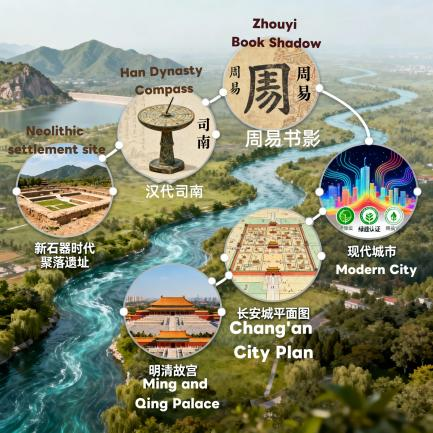
Stage 1: The Survival Instinct (Prehistory to Pre-Qin Era)
·The Core Idea: It all started with basic survival. Early humans intuitively chose places to live that were sheltered by hills, faced a water source, soaked up sunlight, and were protected from harsh winds. Mountains offered safety and resources (“support”), rivers provided water for life and farming (“prospect”), and the sun meant warmth and health. This wasn’t mystical—it was practical, smart geography, much like how animals choose the best spots for their dens.
·In the Evidence: Ancient settlements in China, like Banpo and Hemudu, perfectly fit this pattern. Similar site selection is seen in other early civilizations around the world, from Mesopotamia to Egypt, showing it was a universal human insight.
Stage 2: The System Takes Shape (Han to Tang Dynasties)
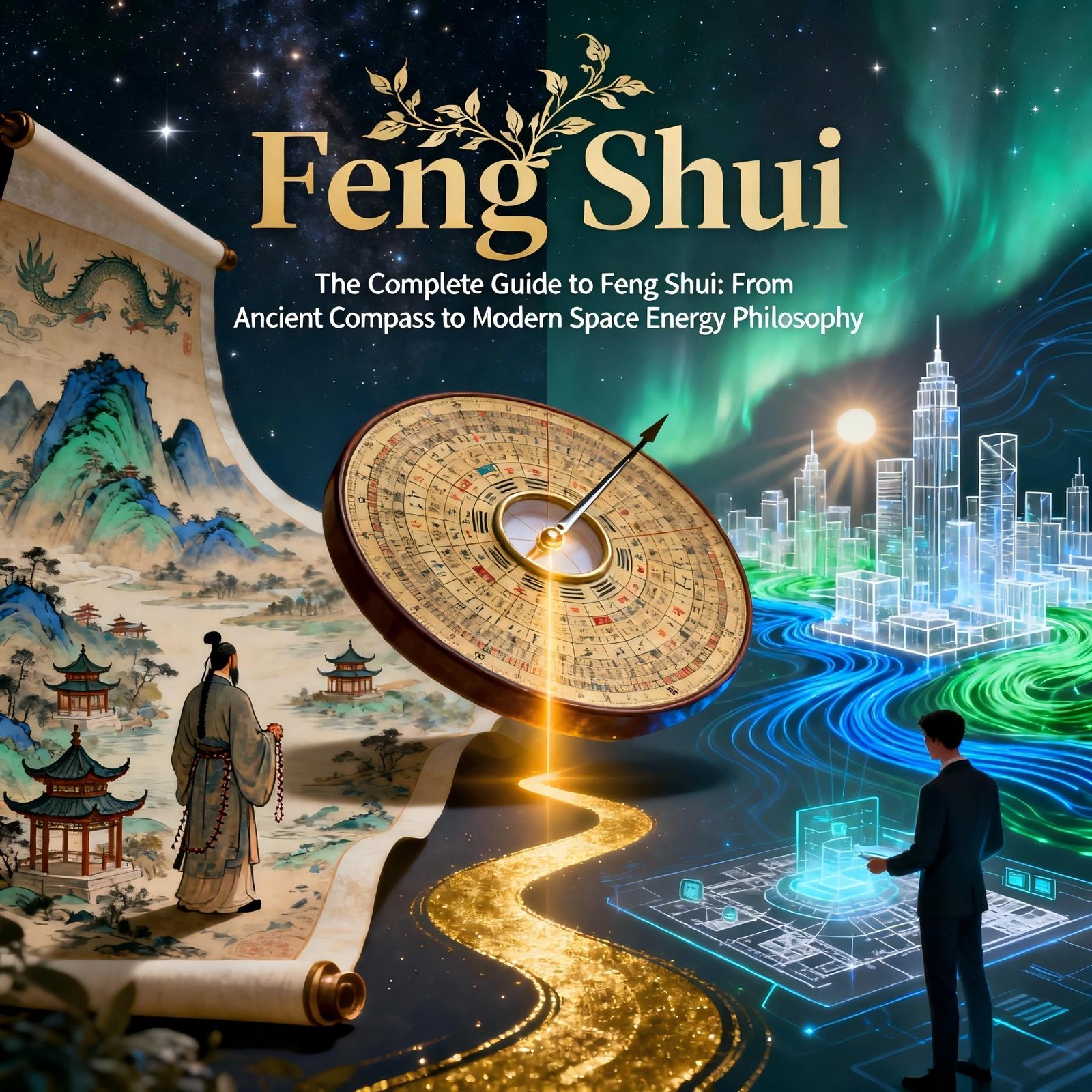
·Building the Theory: This period saw Feng Shui become a structured system. Foundational Chinese concepts—like Yin & Yang, the Five Elements, the I Ching (Book of Changes), and astronomy—were woven into its practice. The invention of tools like the early compass (Luo Pan) allowed for precise directional calculations, giving rise to the “Compass School” which focuses on directions, timing, and celestial influences.
·Two Main Schools Emerged:
- The Form School: This branch continued the tradition of direct observation. Practitioners studied the shapes and “energy” of landscapes—mountains, rivers, and landforms—viewing the earth almost like a living body with its own anatomy. While a key text, The Book of Burial, focused on tombs, its principles deeply influenced how homes for the living were sited.
- The Compass School: This school introduced complex calculations. By combining directions, the Five Elements, birth dates, and cosmic cycles, practitioners aimed to map the flow of “Qi” (energy) in space and time, adding a layer of what we might think of as symbolic mathematics and astronomy to the practice.
·The Big Leap: Feng Shui evolved from simply finding a good spot in nature to actively designing human spaces. It began to guide the planning of entire cities (like the magnificent Tang capital, Chang’an), palaces, and major buildings.
Stage 3: Blending & Becoming Everyday Practice (Song to Qing Dynasties)
·A Cultural Blend: Feng Shui absorbed ideas from other major Chinese traditions. Confucian ideas of order (seen in symmetrical, axial layouts), Taoist principles of harmony with nature, and Buddhist concepts all left their mark. Official building manuals from the time quietly included Feng Shui principles.
·Going Mainstream: Knowledge of Feng Shui spread to everyday people through easy-to-remember sayings, folklore, and popular art. It began influencing how common houses were built, how furniture was arranged, and even daily routines. Its close connection with burial traditions during this time also added a layer of spiritual and superstitious belief for many.
·An Inner Tension: This era highlights a core duality within Feng Shui: the coexistence of its scientific, observational side (studying light, wind, and landforms) with its metaphysical, calculative side (involving symbols and personal destiny).
Part 2: Core Concepts Explained – Where East Meets West
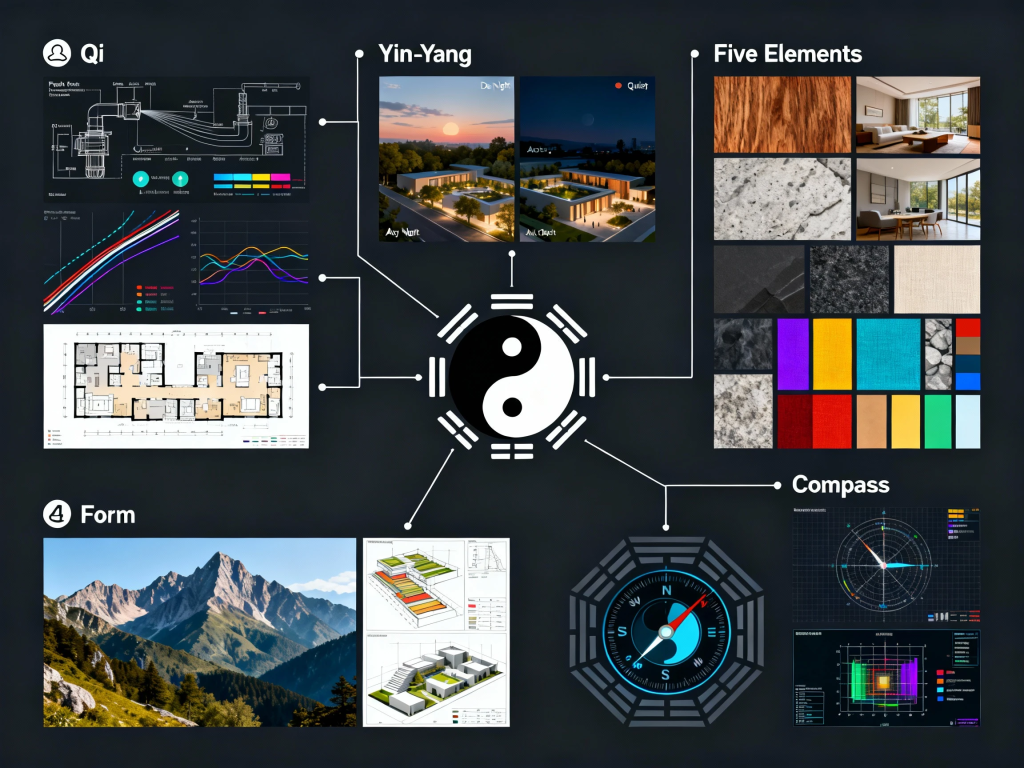
1. Qi: Understanding Energy Flow
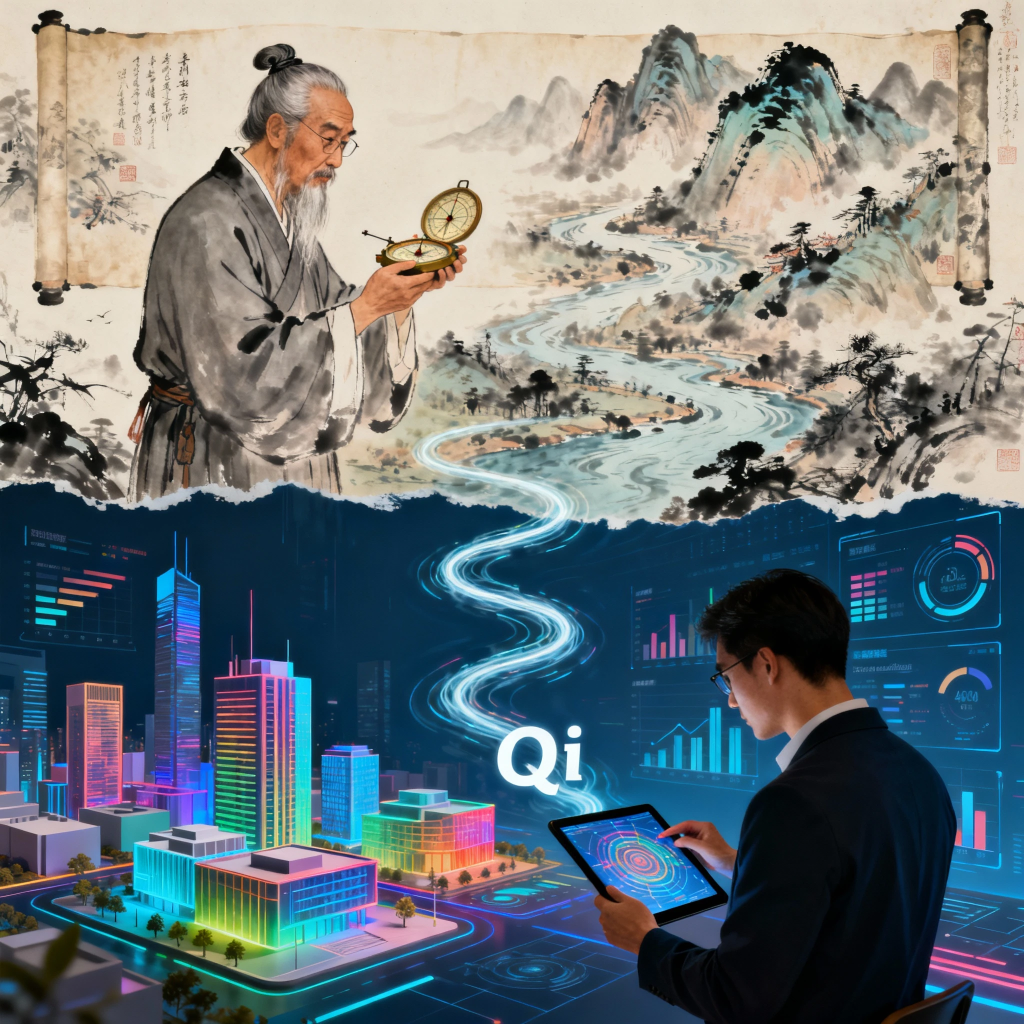
·The Eastern View: Think of “Qi” as the vital, ever-present life force that flows through everything. A space feels best when this energy is gently gathered and can move freely—neither stuck nor rushing through.
·The Modern & Scientific Perspective:
- It’s the Air You Breathe: Good “Qi” starts with fresh air—proper ventilation, healthy humidity, and the absence of pollutants or mold, all of which are proven to affect your physical health.
- It’s the Light You See: Abundant, quality natural light is a direct source of positive, uplifting energy. It regulates mood, improves focus, and is essential for wellbeing.
- It’s How a Space Feels: A layout that feels open and easy to move through, without awkward corners or obstacles, reduces subconscious stress and allows you to relax.
- It Fosters Connection: Good energy flow supports how people interact—creating welcoming spaces for gathering while also allowing for quiet, private retreats.
2. Yin & Yang: The Art of Balance
·More Than Just Opposites: Yin and Yang describe the complementary, ever-changing qualities in everything. Nothing is purely one or the other. For instance, water is calm (Yin) in a pond, but powerful and active (Yang) in a waterfall.
·Balance in Modern Design:
- Spaces for Living: Balance open-plan areas that encourage socializing (Yang) with cozy, enclosed nooks that allow for privacy and concentration (Yin).
- A Mix of Textures & Tones: Combine hard surfaces like stone or metal (Yang) with soft textiles like wool or velvet (Yin). Pair bright, energizing colors with soft, calming ones.
- Day and Night Modes: Design active areas for daytime (Yang) and serene sanctuaries for sleep (Yin). Technology like smart lighting can now help transition a room’s energy from day to night.
3. The Five Elements: A Language of Relationships
·A Symbolic System: The Five Elements (Wood, Fire, Earth, Metal, Water) are not literal substances, but symbols representing different kinds of energy, qualities, and processes.
- Wood: Growth, vitality, flexibility. Think plants, vertical lines, and the color green.
- Fire: Energy, passion, transformation. Think lighting, candles, triangles, and reds.
- Earth: Stability, nourishment, grounding. Think stone, ceramics, square shapes, and earthy tones.
- Metal: Clarity, precision, structure. Think metals, clean lines, circles, and white or metallic colors.
- Water: Flow, wisdom, calm. Think mirrors, glass, wavy shapes, and black or deep blue.
·Using the Relationships:
- The Creative Cycle: Use elements in sequence to support an energy. For example, in a home office (Wood energy for growth), add a warm lamp (Fire) to spark creativity, then an earthy clay pot (Earth) on the desk to help ground those ideas.
- The Balancing Cycle: Use one element to gently calm or refine another. For example, if a kitchen feels overly busy (excess Fire from appliances), introducing white cabinets (Metal) or a dark blue backsplash (Water) can create a more balanced, calm visual feel.
Part 3: Feng Shui Around the World – Connections, Science, and Debates
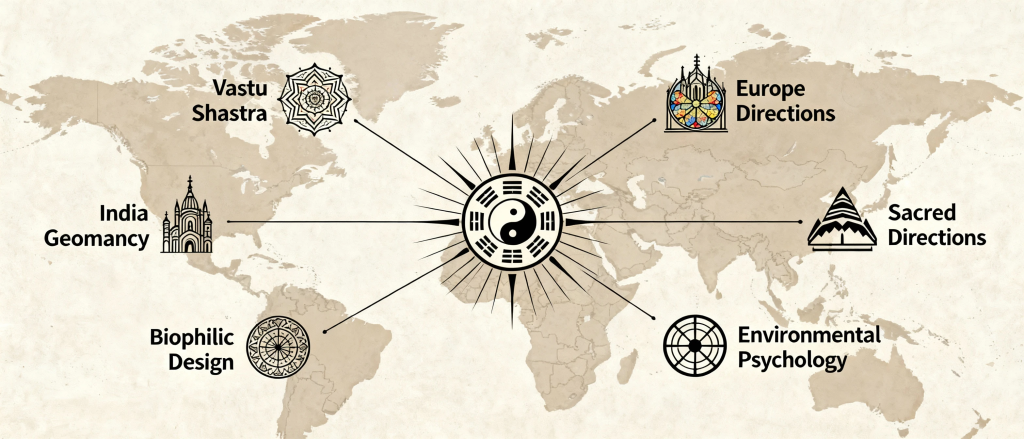
A Global View: Universal Wisdom on Place
Throughout history, different cultures have developed their own systems for understanding how places affect us.
·India’s Vastu Shastra: An ancient system that focuses on arranging spaces based on strict cardinal directions (North, South, East, West), linking the home’s layout to cosmic order and spiritual practice.
·Western Geomancy: A medieval European tradition that also reads the energy of a place, often through patterns found in scattered earth or stones, blending observation with elements of divination.
·Native American Wisdom: Deeply honors the sacred connection to the land itself, viewing directions and natural elements as part of a living, spiritual ecology.
·The Modern Science Connection: These ideas find echoes in contemporary studies:
- Environmental Psychology looks at how noise, crowding, and personal space directly shape our feelings and behavior.
- Building Biology investigates the impact of construction materials and electromagnetic fields on our physical health.
- Biophilic Design proves that our well-being is intrinsically tied to access to nature—like sunlight, plants, and natural materials.
The Debate: A Balanced Look at Feng Shui
It’s important to recognize the full picture, including the questions that surround Feng Shui.
1.Where Science Meets Symbolism: Some aspects of traditional Feng Shui, particularly the detailed calculations based on birth dates (like the “Eight Mansions” method), are not scientifically verifiable. Many view these as a form of cultural psychology—a meaningful symbolic system that works through belief and intention, rather than measurable physical laws.
2.Commercialization and Misuse: Like many traditions, Feng Shui can be oversimplified and marketed. When practitioners sell it as a guaranteed way to change your destiny or push expensive “cures,” it strays from its core purpose of improving living environments and can veer into superstition.
3.Cultural Oversimplification: In the West, Feng Shui is sometimes reduced to a simple list of decorating “dos and don’ts,” which misses the deeper philosophy and ecological wisdom at its heart.
4.The Academic View: The mainstream scientific community views the metaphysical parts of Feng Shui as pseudoscience. However, there is growing respect and serious study in fields like architecture and urban design for its practical, empirical insights—the timeless knowledge about how light, flow, and placement make a space feel good to live in.
Part 4: Feng Shui Today – Practical Wisdom for Modern Living
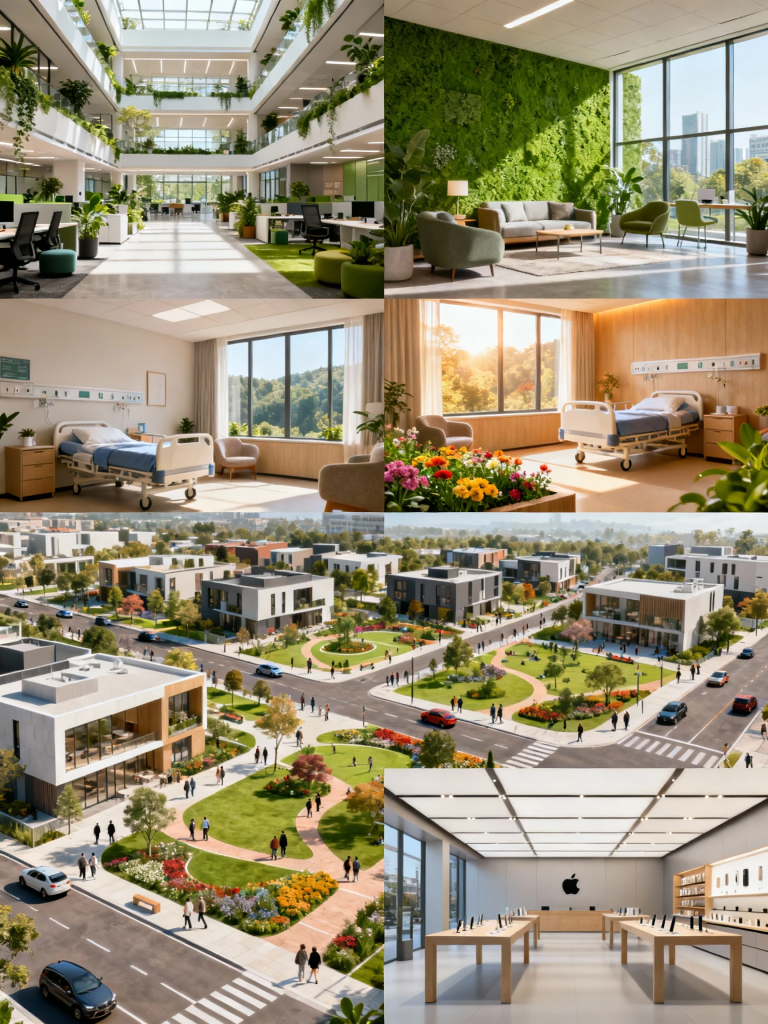
The principles of Feng Shui extend far beyond the home, offering valuable insights for how we design our cities, workplaces, and daily lives.
·In Urban Planning: Modern city planners use concepts that echo ancient wisdom. Creating green spaces (“water”), preserving hilltops (“mountains”), and designing streets for good airflow are all ways to build healthier, more comfortable cities on a large scale.
·In Green Building: Today’s architects focus on maximizing natural light and fresh air, using non-toxic materials, and creating comfortable spaces. This modern approach aligns perfectly with the goal of fostering positive “Qi” or a healthy living environment.
·In Business & Retail: Stores and restaurants carefully design their layouts to guide customers naturally, use lighting and materials to create a specific mood, and arrange spaces to feel either vibrant and social or calm and intimate—all classic applications of balancing energy.
·In the Workplace: Forward-thinking companies design offices with a mix of open areas for teamwork and quiet zones for focused work, and they fill spaces with plants. This isn’t just trendy; it’s a practical application of creating a balanced environment that supports well-being and creativity.
·In Your Personal Life:
- Decluttering: The popular practice of tidying up is essentially about clearing out stuck, stagnant energy and allowing a sense of flow and calm to return to your space.
- Creating a Calm Corner: Setting aside a quiet spot in your home for reading, meditation, or simply relaxing is a direct way to invest in your personal peace and balance.
- Using Smart Home Tech: Devices that automatically adjust lighting, temperature, and air quality are a modern tool for effortlessly maintaining a comfortable and healthy environment in your home.
Final Conclusion: What Feng Shui Means Today
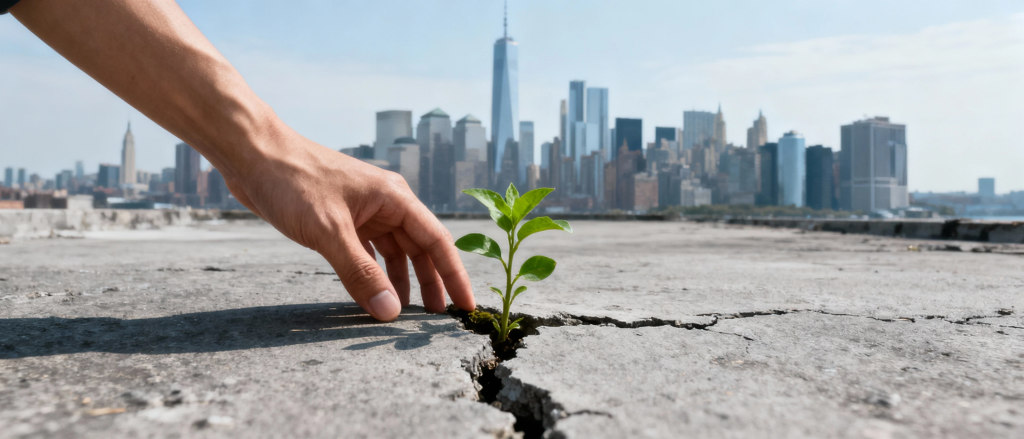
Feng Shui is no longer just about mysterious symbols or an ancient tradition from the East. It has evolved into a universal way of thinking about how we connect with the spaces around us. At its heart, it reminds us of a few simple but powerful truths:
·We are not just living in our environments—we actively shape and are shaped by them.
·A truly beautiful space is one that feels good to be in and supports those who live there.
·The goal of our smartest technology and our oldest wisdom is the same: to create places that make us healthier, happier, and more at peace.
Whether you see it as a philosophy, a design tool, or a mindful practice, Feng Shui is ultimately an invitation. It asks you to pay closer attention to the spaces you live and work in, and to shape them with care—turning them into places that truly support your life’s journey.
In this way, practicing Feng Shui is really about choosing to live more thoughtfully and beautifully.