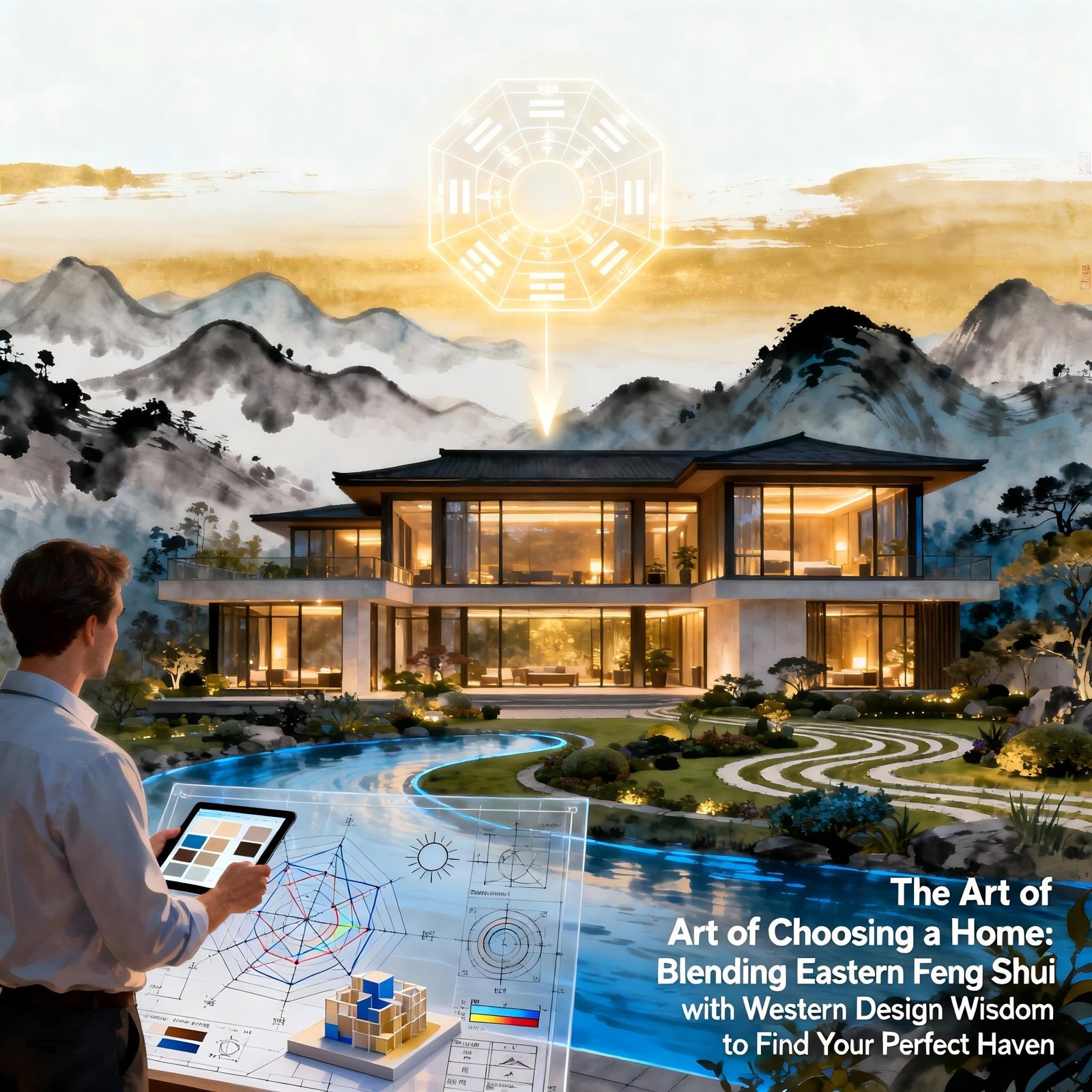

Have you ever walked into a room and instantly felt calm and relaxed, yet entered another space and just couldn’t shake off a sense of unease?
In the ancient practice of Feng Shui, that subtle feeling is seen as the flow of “Qi”—the vital energy that moves through your surroundings.
Choosing a home isn’t just about the walls and the layout; it’s about selecting a space that truly supports you, lifts your spirit, and helps you grow.
In this guide, we’ll bring together timeless Feng Shui wisdom and modern insights on wellbeing, light, and layout—giving you a thoughtful, cross-cultural approach to finding the right home for you.
Chapter 1: Location & Exterior – Building a Strong Foundation for Your Home
1. Open Space & Clear Views: Welcoming Light and Freedom
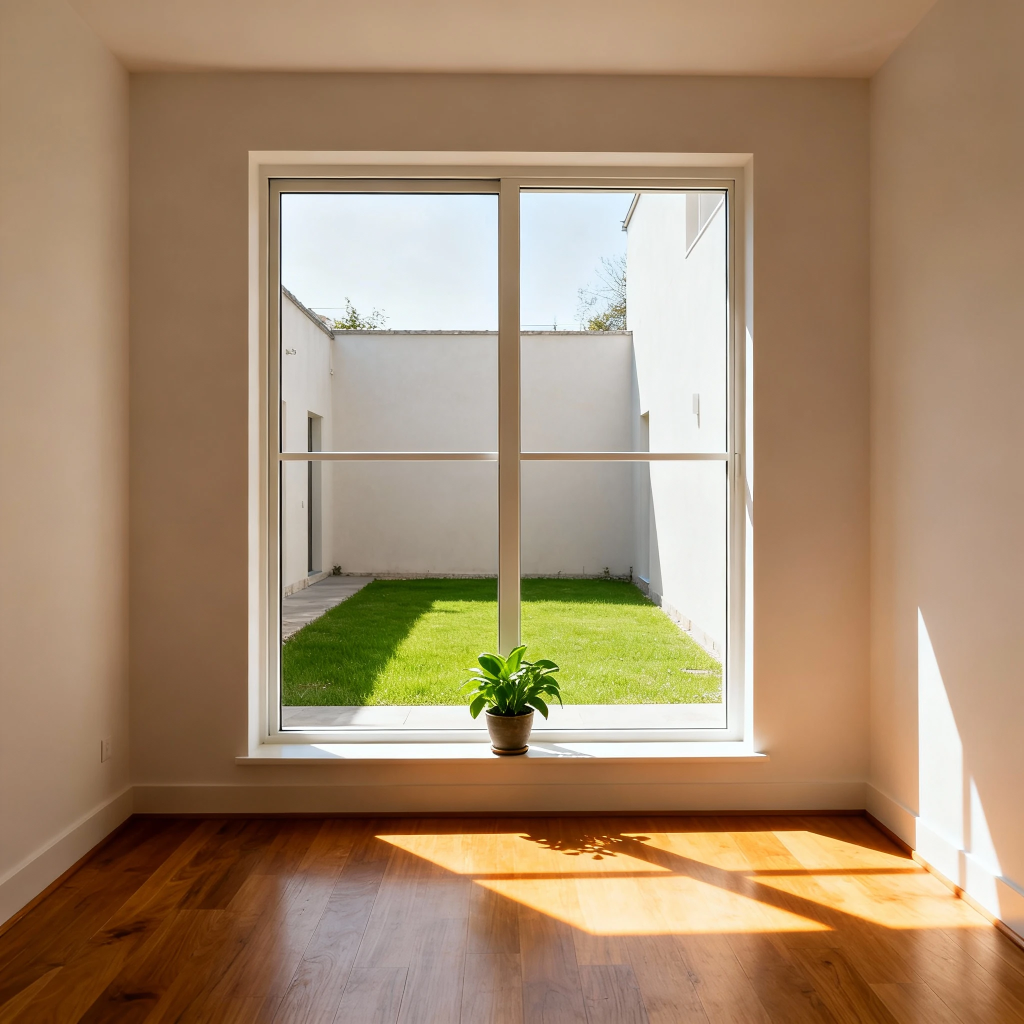
In Feng Shui Terms: Think of the area right in front of your home as its “welcoming space” (traditionally called Ming Tang). This open, clear zone is believed to invite good opportunities and positive energy into your life. If this area is blocked—by a large wall, an overgrown tree, or a looming structure—it’s seen as limiting your potential.
A Modern View: Science strongly supports the benefits of natural light and open views. They are proven to lift your mood, lower stress, and make a space feel larger and more inviting. Good light and a pleasant outlook are directly linked to better mental well-being.
Your Home Checklist:
Look for a home with a clear, open view from the front. Pay special attention to the main rooms—like the living room and primary bedroom. Are their windows largely unobstructed? Picture yourself there each morning: does the sunlight and what you see outside make you feel good?
2. Feeling Supported: A Sense of Security
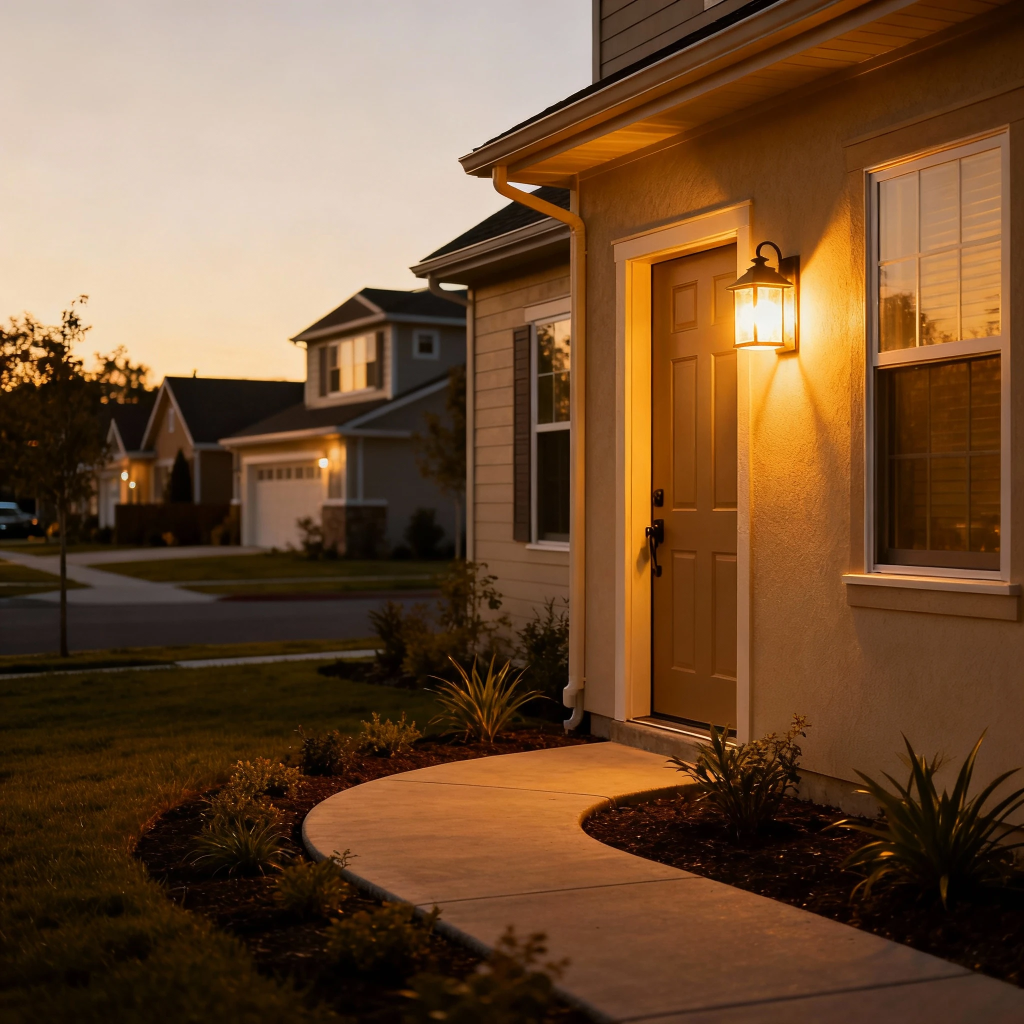
In Feng Shui Terms: A home ideally has something solid behind it—like a gentle hill, a taller building, or a row of trees. This is called having a “supporting back.” It symbolizes feeling stable, protected, and supported in life, giving you the confidence to move forward.
A Modern View: We all naturally seek out places that feel safe and secure. A house that isn’t isolated or exposed, but is nestled in a welcoming neighborhood, provides a deep sense of psychological comfort and stability.
Your Home Checklist:
Try to avoid homes that feel too exposed—like ones standing alone on a hilltop, with a steep drop or vast emptiness right behind them. Look for a place that feels nestled and supported from the back and sides, whether by land, trees, or other structures.
Chapter 2: Interior Layout – Allowing Energy to Flow Harmoniously
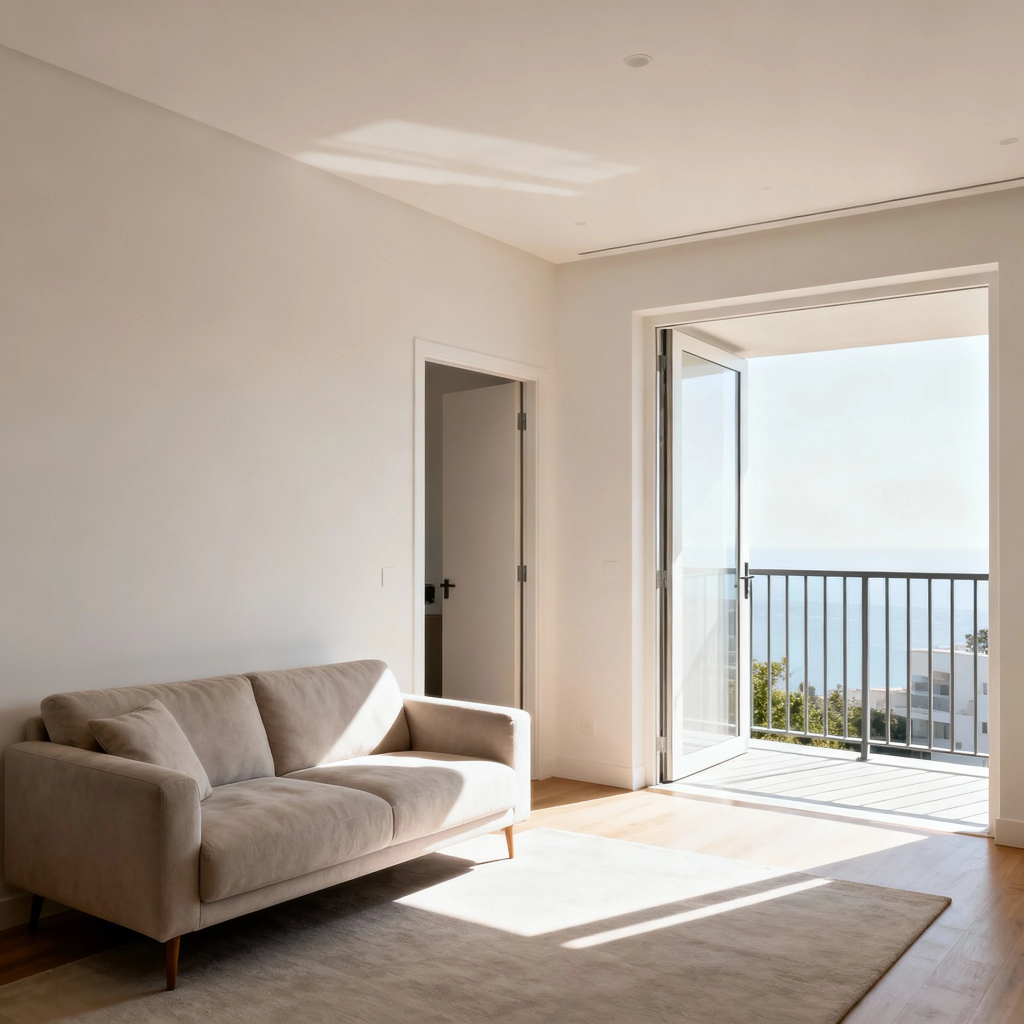
3. The Front Door & Flow: Welcoming Positive Energy
In Feng Shui Terms: The front door is where energy enters your home. If it opens directly to a long hallway, a back door, or a large window, that energy rushes straight through and doesn’t settle. It’s also best if the door doesn’t face sharp corners, a staircase, or a bathroom directly.
A Modern View: Your entryway creates the first impression of your home. A clear, welcoming, and uncluttered path inside makes coming home feel good and helps the space function smoothly. An entrance that immediately faces a bathroom or a messy area can feel off-putting.
Your Home Checklist:
Stand just inside the front door and look. Can you see straight through to the outside? Is there a place for a console table, a shelf, or a simple screen to create a pleasant entry area? Make sure the main pathways feel open, well-lit, and free of obstacles.
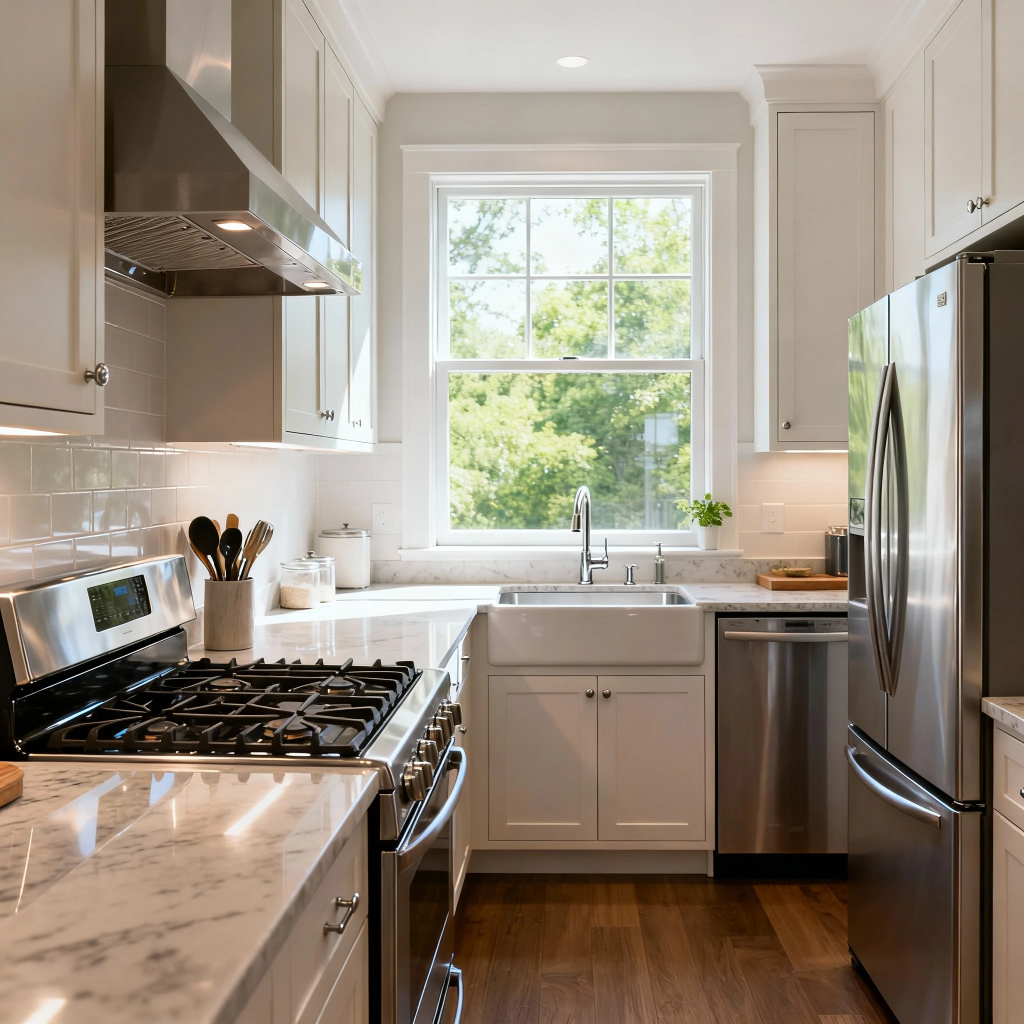
4. The Kitchen & Bedroom: Nourishing Body and Soul
Kitchen: The Heart of the Home
·In Feng Shui: The kitchen represents your health and prosperity. It’s best to avoid placing the stove (fire element) directly opposite the sink or refrigerator (water element), as this is seen as creating conflicting energies. Aim for a space that is bright, clean, and has good airflow.
·A Modern View: The kitchen is where we nourish ourselves and connect with others. A well-designed, functional kitchen with good lighting and ventilation makes cooking easier, encourages healthy habits, and becomes a natural gathering spot.
·Your Home Checklist: Is the layout practical? Is there a window for fresh air and natural light? Does the stove feel like it’s in a comfortable, safe spot when you imagine cooking there?
Bedroom: Your Personal Sanctuary
·In Feng Shui: This is your space for deep rest and renewal. Placing the bed against a solid wall (ideally with a headboard) creates a sense of support and security. Try to avoid having large overhead beams above the bed or mirrors directly reflecting it. A room with a simple, regular shape is considered most peaceful.
·A Modern View: Quality sleep is everything. A bedroom should be a dark, quiet, and private retreat. These conditions help your body produce melatonin for restful sleep. A bed that feels stable and well-positioned directly contributes to a sense of safety and relaxation.
·Your Home Checklist: Is the room a calm, simple shape? Are there solid walls to place your bed against? Check the windows—can they block out light and street noise effectively?
Conclusion: Trust Your Feelings Over Strict Rules
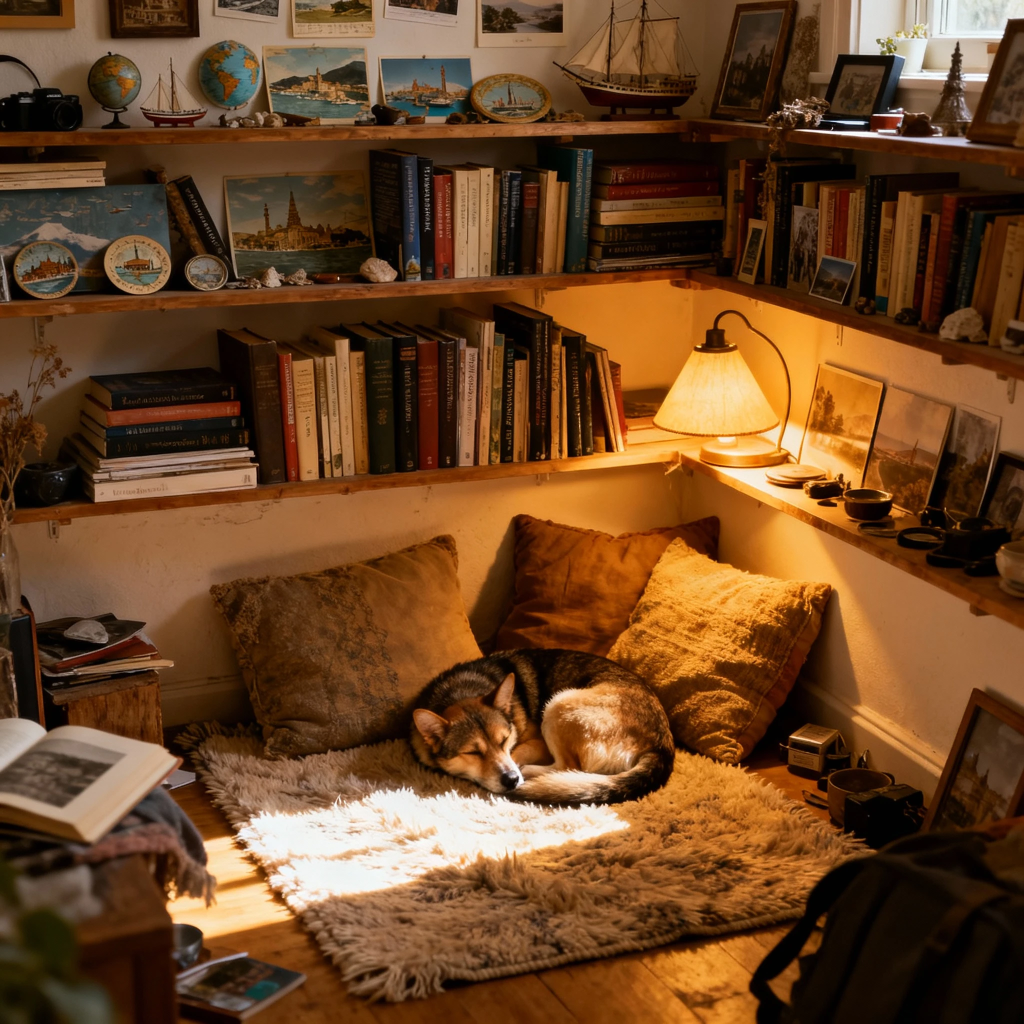
At its heart, the wisdom of Feng Shui is about creating a space that feels in harmony, balanced, and truly supportive of your daily life. All its principles are simply guides—not strict rules to follow.
So when you step into a potential new home, try to quiet the checklist in your mind and simply listen to your feelings: Does it feel easier to breathe here? Does your mood feel lighter and more at peace? Can you genuinely picture yourself growing and thriving in these rooms?
In the end, the very best Feng Shui is found in a place that naturally makes you say, “This feels like home.”