Body Text:
Have you ever noticed how some rooms feel alive and inviting, while others seem dull and low on energy? In Eastern traditions, this is often linked to the flow of “Qi”—a kind of life force or vital energy. Plants, full of natural life, are valued in Feng Shui as powerful tools to balance a home’s energy and invite good vibes. And it’s not just philosophy—modern science also shows that plants help clean the air, lower stress, and improve our mood. Let’s explore how to bring this blend of timeless wisdom into your own space by choosing the right green companions for your home.
Chapter 1: Set Your Intention – Choose Your Plant Energy Based on Need
Wealth & Abundance


1. Zanzibar Gem (ZZ Plant)
·In Eastern Tradition: Its leaves look like stacks of coins, symbolizing steady wealth and good fortune. It’s a classic plant for attracting prosperity.
·A Modern View: Famous for being nearly impossible to kill, this plant is a symbol of resilience. Its sleek, geometric leaves add a sculptural, modern touch to any room.
·Easy Care Tip: It’s very drought-tolerant. Just water it only when the soil has dried out completely. It does best in bright, indirect light, like in a living room or office.
2. Money Tree (Pachira Aquatica)
·In Eastern Tradition: The braided trunk is said to “lock in” luck and wealth, while its hand-shaped leaves are believed to gather opportunities and blessings.
·A Modern View: NASA research shows it’s great for cleaning indoor air. Gifting a Money Tree for a new home or business is now popular everywhere, symbolizing wishes for success and growth.
·Easy Care Tip: It likes humidity but hates soggy roots. Keep it away from direct blasts from air conditioners or heaters. For good energy, try placing it in the diagonal corner from your front door.
- Health, Purification & Balance
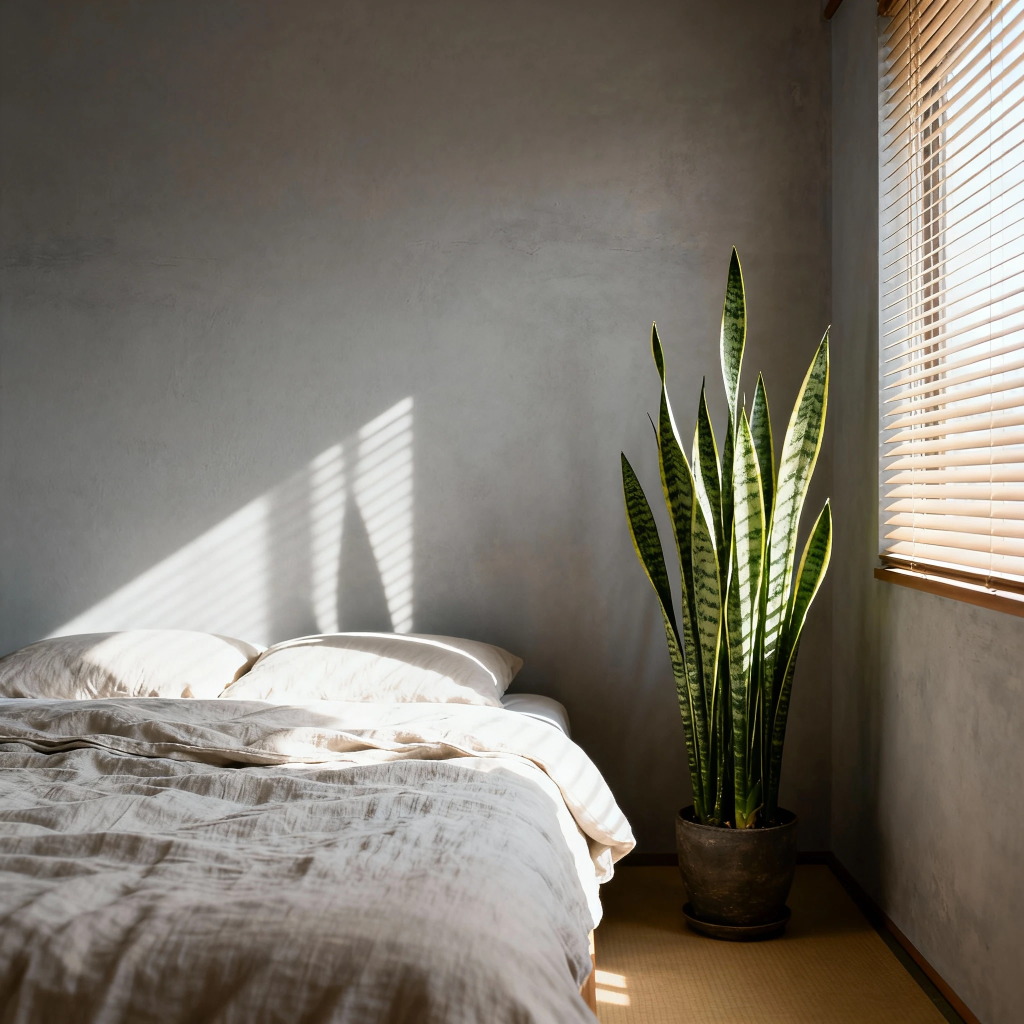
3. Snake Plant (Mother-in-law’s Tongue)
·In Eastern Tradition: Its sharp, upright leaves are thought to slice through and block negative energy, creating a protective shield for your home.
·A Modern View: A top performer in NASA’s air-purifying studies, this plant uniquely releases oxygen at night, making it a perfect, natural air purifier for the bedroom.
·Easy Care Tip: It thrives on neglect. It’s very tolerant of low light and drought—the easiest way to harm it is by overwatering. It can live in almost any corner, even a low-light bathroom (just give it some indirect light occasionally).
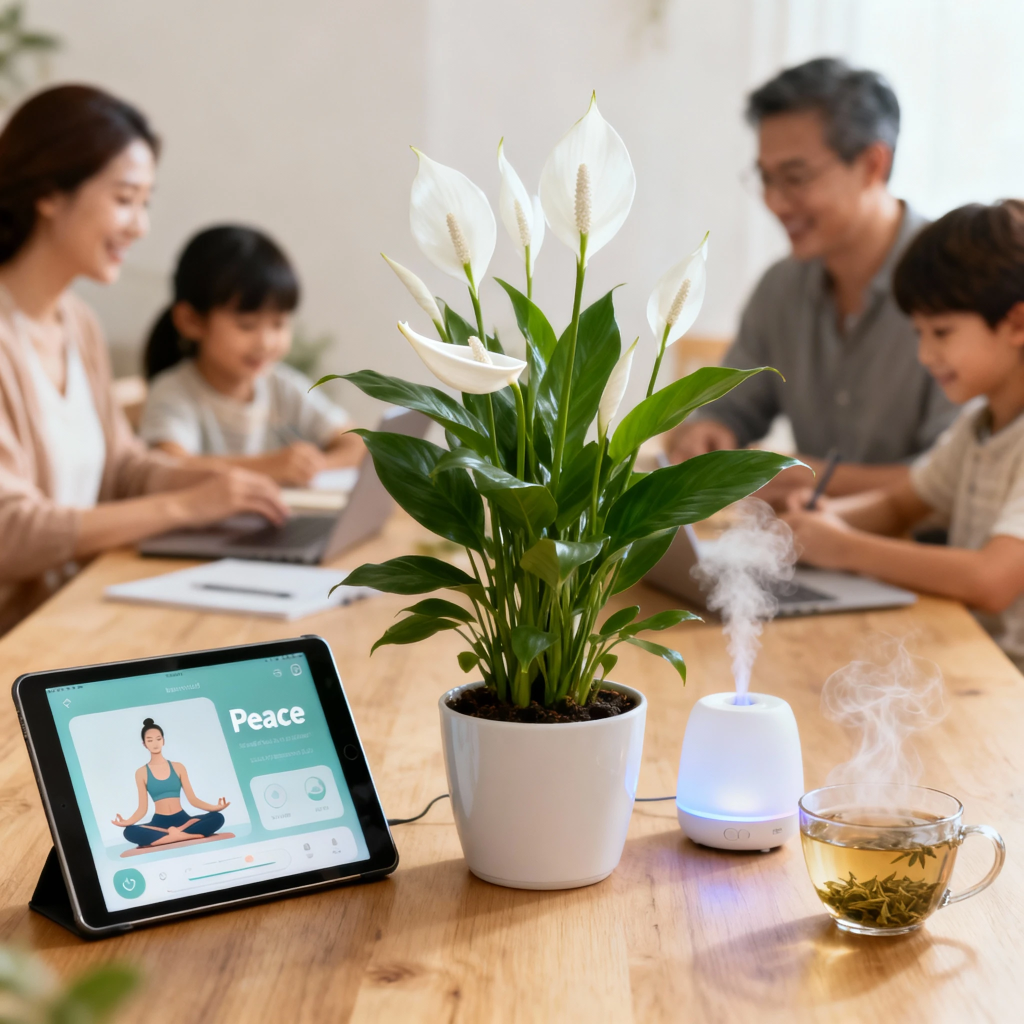
4. Peace Lily
·In Eastern Tradition: Its elegant white blooms symbolize purity, peace, and harmony, believed to ease tension and improve relationships at home or work.
·A Modern View: It’s excellent at filtering common household toxins like formaldehyde and benzene. It’s also famously low-maintenance, as its leaves visibly droop to tell you when it’s thirsty—a perfect “talking plant” for beginners.
·Easy Care Tip: Prefers shady spots and consistent moisture. Keep the soil lightly damp and the air around it humid. Wipe the leaves gently with a damp cloth now and then to keep them dust-free and working efficiently.
- Love, Relationships & Charm
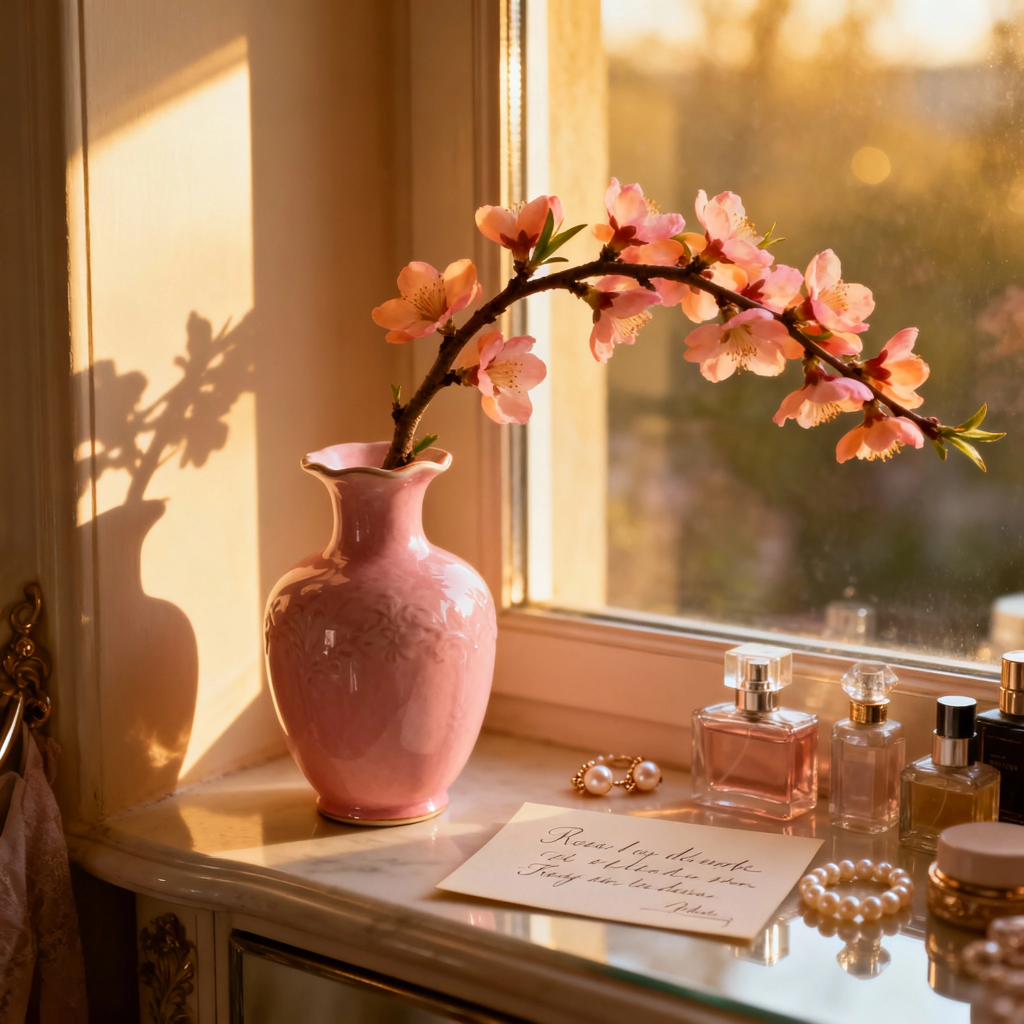
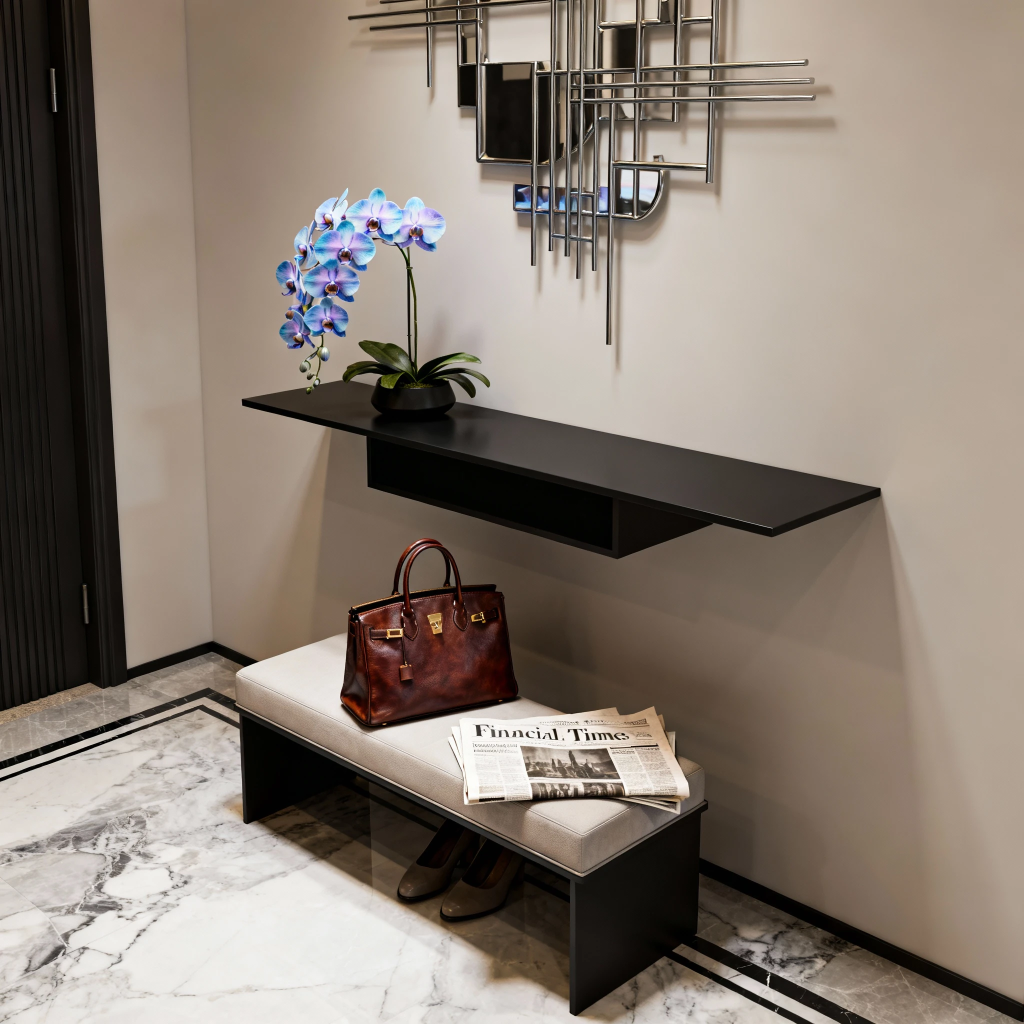
5. Peach Blossom
·In Eastern Tradition: A direct and classic symbol for enhancing romantic luck (often called “peach blossom luck”) and attracting better relationships. Its delicate pink blooms are tied to sweetness and romance.
·A Modern View: Psychology shows that fresh flowers naturally lift our mood, creating a more positive and welcoming atmosphere that can make social interactions smoother and more enjoyable.
·Key Tip: A little goes a long way. Tradition suggests placing just a single living plant or a fresh-cut arrangement in the southwest corner of your home to encourage good relationships—having too many is believed to create unnecessary complexity.
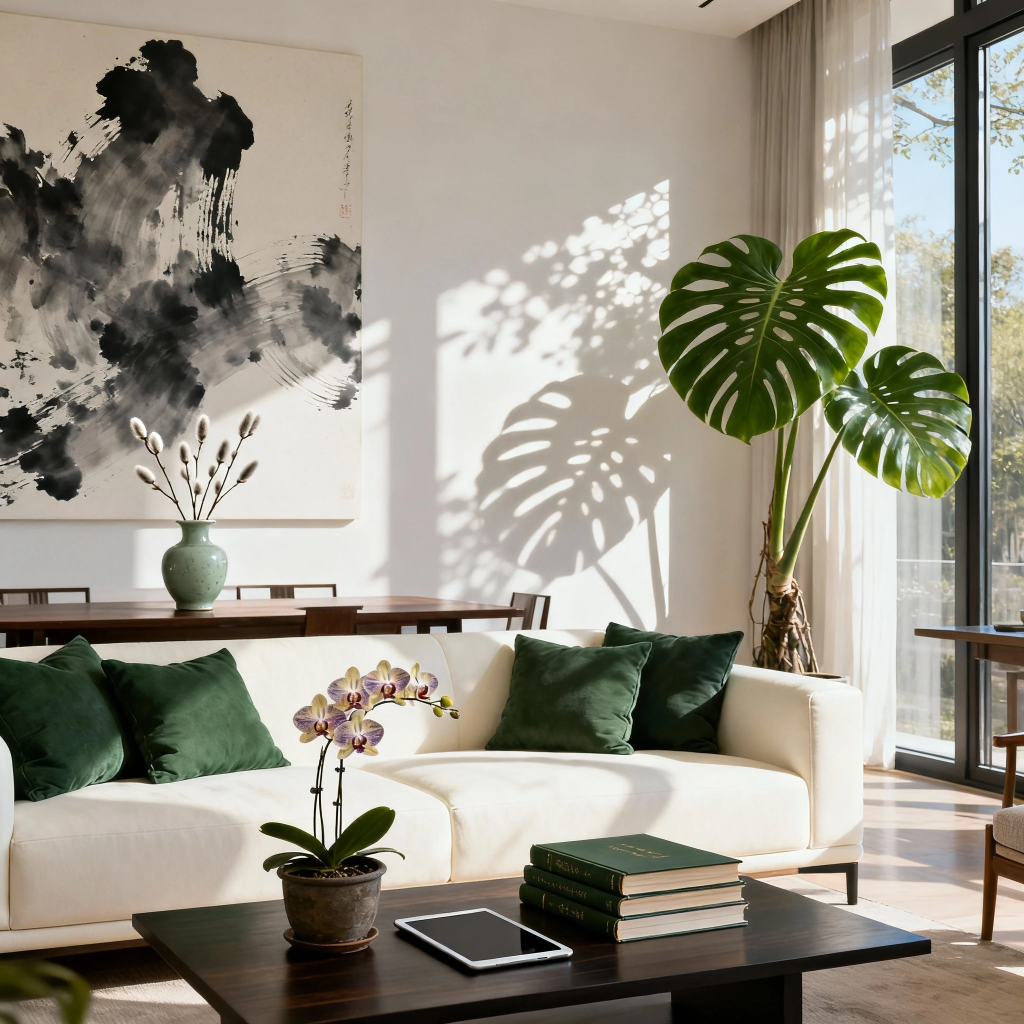
- Orchid
·In Eastern Tradition: Represents noble character, grace, and humility. It symbolizes harmony, loyalty, and refined beauty in relationships, and is believed to enhance one’s personal elegance and reputation.
·A Modern View: Universally recognized as a symbol of elegance, luxury, and lasting beauty. A thriving, flowering orchid reflects the owner’s patience, attention to detail, and sophisticated taste.
·Easy Care Tip: Needs bright, indirect light, good air flow, and a special potting mix (like bark or moss). Be careful not to overwater—let the potting medium dry out a bit between waterings.
Chapter 2: Understanding What to Avoid – Thinking About “Energy Blockages”
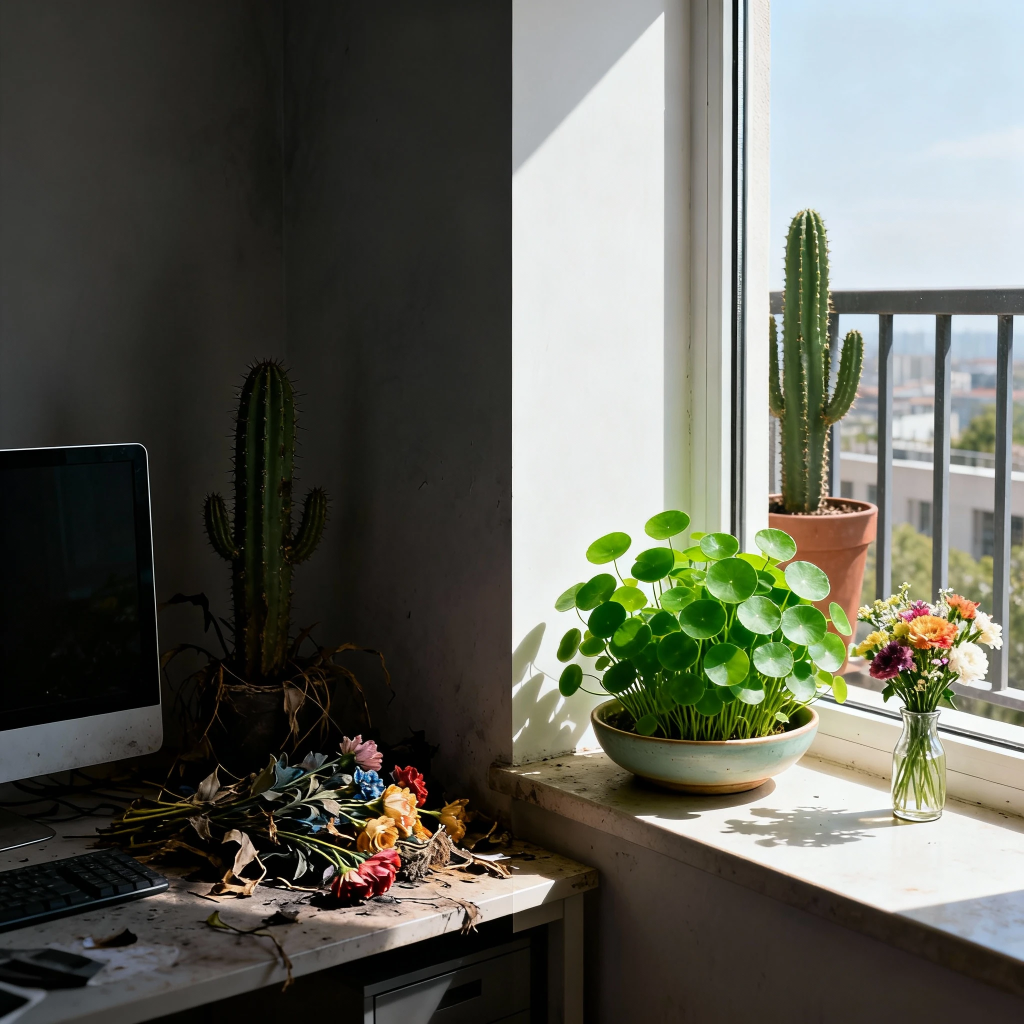
A lot of Feng Shui advice makes sense when you think about it as keeping good energy flowing and how things affect our mood. This is a great way for everyone to understand its principles.
· Avoid Dying or Withered Plants
A dying plant represents fading life and blocked energy. Seeing it every day can subconsciously remind you of neglect or what’s not thriving, which can bring down your mood.
What to do: Trim yellow leaves as soon as you see them. If a plant dies, thank it for its time and then replace it with a new, healthy one.
· Be Thoughtful with Thorny Plants
Plants like cacti and roses have sharp thorns. In energy terms, these are thought to give off a prickly or defensive vibe, which might unintentionally create a sense of tension in a space meant for relaxation and soft conversation.
Suggestion: They are great for places like balconies, outside windowsills, or next to office electronics (where they’re said to symbolically absorb some of those energies). It’s best to avoid putting them in central living areas or bedrooms.
· Skip the Fake Flowers & Plants
Artificial plants don’t have any living energy to contribute to your home’s vibe. On a practical level, materials like plastic and silk tend to collect dust and can sometimes release chemicals into the air.
Better Alternatives: Opt for beautiful dried arrangements (like Baby’s Breath or Protea) for long-lasting decor, or simply invest in a few easy-to-care-for real plants.
Conclusion: Trust Your Own Feelings
At its heart, the goal of working with Feng Shui and plants is to create a home that feels good to you—a place that is comforting, supportive, and full of life.
The most important rule is your own intuition and the real connection you feel with your green companions. There’s a special joy in nurturing a plant and watching it grow.
Start with just one plant that you truly love and that fits your routine. Take care of it, and notice the subtle way it changes the feeling in your room and lifts your own spirit. A life filled with greenery is its own kind of reward.